
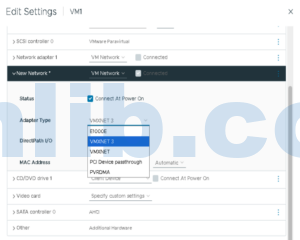
VMXNET3 vs E1000E: Which VMware Network Adapter Should You Use?
A practical VMXNET3 vs E1000E comparison for VMware administrators, covering drivers, performance, compatibility, migration risk, offloads, RSS, and how to change adapters safely.
A practical VMXNET3 vs E1000E comparison for VMware administrators, covering drivers, performance, compatibility, migration risk, offloads, RSS, and how to change adapters safely.
When a VMware vSphere product like ESXi, vCenter Server, or vSAN uses a non-perpetual license, serious functional limitations can occur once the 60-day trial or subscription expires. From host disconnections to being unable to power on VMs or add storage, the impact can be critical. This article explains what to expect and how to prepare before your VMware license expires.

Can you vMotion between different ESXi versions? Use this production checklist for vCenter support, migration direction, CPU and EVC compatibility, VM hardware, networking, storage, and rollback planning.

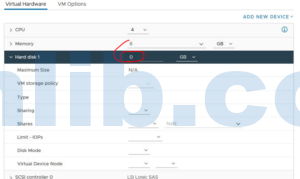
Encountering a situation where all virtual machine disks in vCenter show 0GB and options are greyed out? This issue often stems from an SSL certificate mismatch. In this guide, we walk you through diagnosing the problem and fixing it using VMware’s lsdocter script.

Before upgrading an ESXi host to version 9, verify its current firmware mode, hardware compatibility, boot-device behavior, Secure Boot requirements, and vendor guidance. Do not treat every Legacy BIOS host the same.

A practical comparison of VMware memory, quiesced and standard snapshots: what each option captures, stun and disk-space impact, application consistency, and when not to use a snapshot.

ESXi is not a Linux distribution and VMkernel is not the Linux kernel. This explanation separates VMkernel, the old ESX Service Console, BusyBox-based ESXi Shell, drivers, and guest operating systems.